
You are reading a WovelAI editorial — designed to make complex ideas, technology and developments easier to understand.
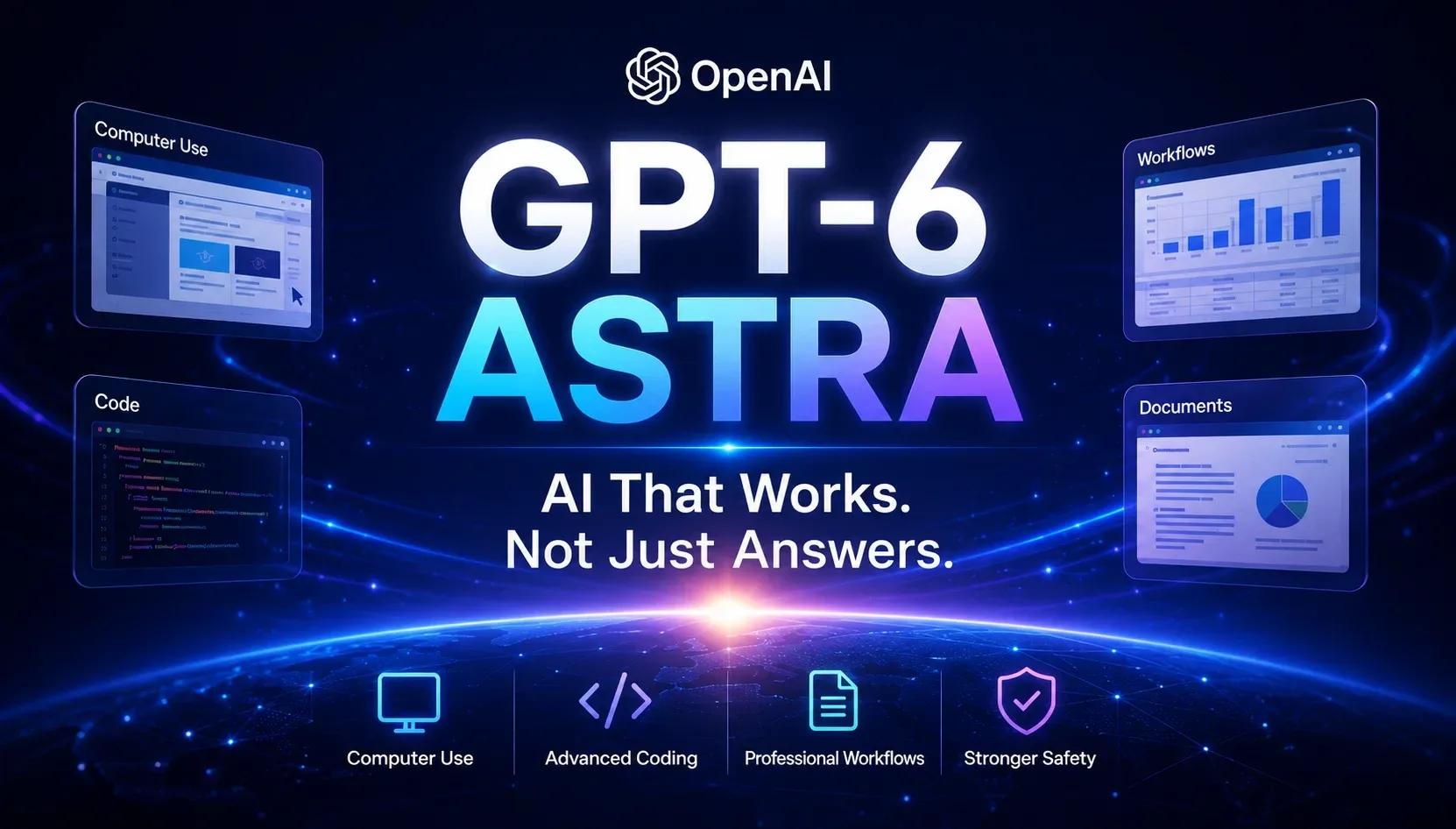
Artificial intelligence continues to evolve at a breakneck pace, and enterprise technology leaders are constantly looking ahead to the next horizon. OpenAI’s discussion around advanced systems like GPT-6 Astra points toward a future where workplace intelligence moves beyond simple text generation into deeply integrated operational support. For organizations aiming to stay competitive, understanding what these upcoming iterations represent is crucial for long-term strategic planning.
While generative tools have already transformed content creation and basic coding assistance, the next generation of models targets complex reasoning, cross-departmental coordination, and robust enterprise integration. This guide breaks down what you need to know about preparing your workflows for advanced workplace intelligence without falling for hype.
Understanding the Shift in Workplace Intelligence
Early iterations of large language models functioned primarily as sophisticated autocomplete engines. Users provided a prompt, and the model generated a response based on statistical patterns. As architecture scales toward systems categorized under advanced branding like Astra, the underlying focus shifts heavily toward autonomy, reliability, and contextual awareness within specialized enterprise environments.
Workplace intelligence today requires more than just knowing facts; it demands the ability to execute multi-step processes securely. When evaluating next-generation systems, decision-makers should look past surface-level feature lists and examine how deeply a model can integrate with existing data silos, legacy software, and strict compliance frameworks.
Key Capabilities Expected in Next-Gen Enterprise AI
Advanced enterprise models are designed to address specific operational bottlenecks that previous generations struggled to manage reliably. These capabilities generally center around three pillars:
- Advanced Multi-Step Reasoning: Breaking down ambiguous business goals into actionable, sequential tasks across different software tools.
- Enhanced Context Retention: Maintaining operational memory over long periods without degrading performance or losing track of specific company guidelines.
- Secure Interoperability: Communicating safely with internal databases, customer relationship management platforms, and enterprise resource planning systems.
Practical Examples of Advanced AI at Work
To understand the value of systems like GPT-6 Astra, it helps to examine practical application scenarios within modern corporate environments. Moving away from generic writing tasks, next-generation models find their footing in complex operational workflows.
Automating Cross-Departmental Audits
Consider the process of conducting a quarterly compliance audit. Traditionally, this requires gathering data from human resources, finance, and IT security, followed by manual cross-referencing against regulatory frameworks. An advanced workplace intelligence model can ingest disparate data formats, flag anomalies, draft preliminary compliance reports, and route them to the appropriate department heads for review, saving hundreds of cumulative hours.
Dynamic Supply Chain Coordination
In logistics, unexpected disruptions demand rapid data synthesis. Next-generation intelligence systems can monitor shipping logs, weather patterns, and inventory levels simultaneously, proposing optimized rerouting strategies to human operators within seconds rather than hours.
Evaluating Practical Limitations and Risks
Despite significant leaps in capability, advanced AI models are not silver bullets. Integrating emerging systems into daily operations comes with notable challenges that organizations must manage proactively.
Hallucination and Verification Gaps
Even highly sophisticated models remain susceptible to generating plausible-sounding inaccuracies. In high-stakes workplace environments—such as legal drafting or medical diagnosis—relying entirely on unverified output introduces unacceptable risk. Human-in-the-loop validation remains mandatory.
Data Privacy and Security Compliance
Feeding proprietary company data into third-party AI systems raises severe security concerns. Enterprises must establish strict boundaries regarding data retention, model training opt-outs, and encryption standards before deploying any next-generation intelligence tool.
How to Prepare Your Organization Today
Waiting for a specific model release before building an AI strategy is a recipe for falling behind. Organizations can take concrete steps right now to ensure their infrastructure is ready for advanced workplace intelligence.
Clean Your Data Ecosystem: AI models perform only as well as the data they access. Consolidate fragmented databases, eliminate redundant files, and enforce strict metadata tagging.
Establish Clear Governance Policies: Draft internal guidelines detailing which tasks are suitable for automation and which require mandatory human oversight.
Upskill Your Workforce: Train employees not just on how to write prompts, but on how to critically evaluate AI-generated outputs for bias, error, and security risks.
Conclusion
The progression toward advanced enterprise AI, as hinted by developments surrounding systems like GPT-6 Astra, highlights a clear industry trend: intelligence is becoming a core operational utility rather than a novelty. By focusing on robust data hygiene, thoughtful governance, and practical integration, organizations can harness these upcoming tools safely and effectively, turning raw technological potential into measurable business value.







What do you think?
Have a thought, question or useful perspective? Leave a comment below.